
Your immune system is your body’s first line of defence against various pathogens, including bacteria, viruses, and fungi. A robust immune system is crucial for maintaining good health and preventing illness. While there is no magical pill to guarantee immunity from diseases, you can take proactive steps to support and strengthen your immune system naturally. In this blog, I’ll explore some effective methods for natural immune support.
In the olden days, it was considered healthy for us to catch diseases to put our bodies through their paces. This is true to some extent. The body can use a runny nose and other unpleasant excretions to ramp up the elimination of toxins and other accumulated nasties.
The modern view that our bodies should never be ill puts them under much stress. Media advertisements encourage us to purchase products that suppress these natural processes, allowing us to carry on regardless. Pushing our bodies to perform in this way is perhaps OK once. Doing it repeatedly is not great.
Suppressing milder ailments can lead to bigger problems later, so I encourage you to listen to and work with your body. Sometimes, rest is exactly what we need. Taking a little time out works wonders (however inconvenient it might be at the time). We only have one body that deserves to be listened to and cared for.
Here are a few things to consider.
Caring for your immune system
Eat a Balanced Diet
The foundation of a strong immune system begins with a healthy diet. Consume a variety of nutrient-rich foods to ensure your body gets all the vitamins, minerals, and antioxidants it needs. Some key components of an immune-supporting diet include:
- Fruits and Vegetables contain vitamins (like C and E) and antioxidants that help combat free radicals and support immune function.
- Protein: Lean proteins, such as poultry, fish, and beans, provide essential amino acids for immune cell production.
- Probiotics: Foods like yoghurt, kefir, and sauerkraut contain probiotics that promote a healthy gut, where a significant portion of your immune system resides.
- Whole Grains: Opt for whole grains like brown rice, quinoa, and oats to provide your body with fibre and essential nutrients.
Stay Hydrated
Proper hydration is vital for maintaining overall health and supporting your immune system. Water helps flush toxins from your body and keeps your cells hydrated, essential for their proper function. Aim to drink at least eight glasses of water daily, and more if you are physically active or live in a hot climate.
Herbal teas can also provide warmth and a healthy, refreshing drink if you need something warm (or hot water).
Reduce caffeine and stick to natural sweeteners.
Get Adequate Sleep
Quality sleep is essential for a well-functioning immune system. During deep sleep, your body produces and releases cytokines, proteins that play a crucial role in immune response. The endocrine system and organs, such as the liver, cleanse themselves overnight, so good sleep allows them to be ready for action in the morning.
Get into a good routine so you are deeply asleep by 11 p.m. to allow your body to restore itself overnight. Aim for 7-9 hours of quality sleep per night to ensure your body has the opportunity to repair and regenerate.
Switch the devices off in the bedroom, creating a calm, relaxing environment.
Manage Stress

In the modern world, we seem to accept the stresses of life as normal. Chronic stress can weaken your immune system over time. Practice stress management techniques such as meditation, yoga, deep breathing exercises, and EFT (Tapping). Spending time in nature is also very beneficial and might be enough to take your mind off any worries and stress.
Sometimes life happens, and we have to get through it. At such times, it is possible to gain some relief and support from things such as Bach Rescue Remedy or homeopathic remedies.
One of my favourite things is my ‘Stress-balance pendant‘. These stand-alone devices can be shared by a group of people (or animals) over time (not at the same time). They seem to calm at many levels, allowing us to think more clearly and focus on the task.
Regular Exercise
Regular physical activity can improve immune function by promoting good circulation and reducing inflammation. Get a good amount of moderate-intensity exercise per week, such as brisk walking, swimming, or cycling.
Supplements
Certain supplements are known for their immune-supporting properties. Some popular options include:
Vitamin C: It’s a powerful antioxidant that supports immune function and can be found in citrus fruits, strawberries, and supplements. Vitamin C is needed by our cells to keep the immune system strong and neutralise the free radicals in the body. This reduces any inflammation and swelling. We need additional supplies when we are off colour or under a lot of stress. The amount and type to take vary from person to person. It is found naturally in many fruits and vegetables. Freshly squeezed lemon juice and lime juice are particularly good sources.
Many people swear by taking vitamin C at the start of a cold. They gradually increase the dose to one that makes the stools loose, then ease the dose down a bit. I have found that it sometimes works for me. Care is needed; if you are sensitive to water-soluble vitamin C, do not do this (it can affect the kidneys in some individuals).
Fat-soluble vitamin C is an oil-soluble form stored in the lipid cell membrane until the body is ready to use it, extending its availability to cells, unlike the water-soluble form.
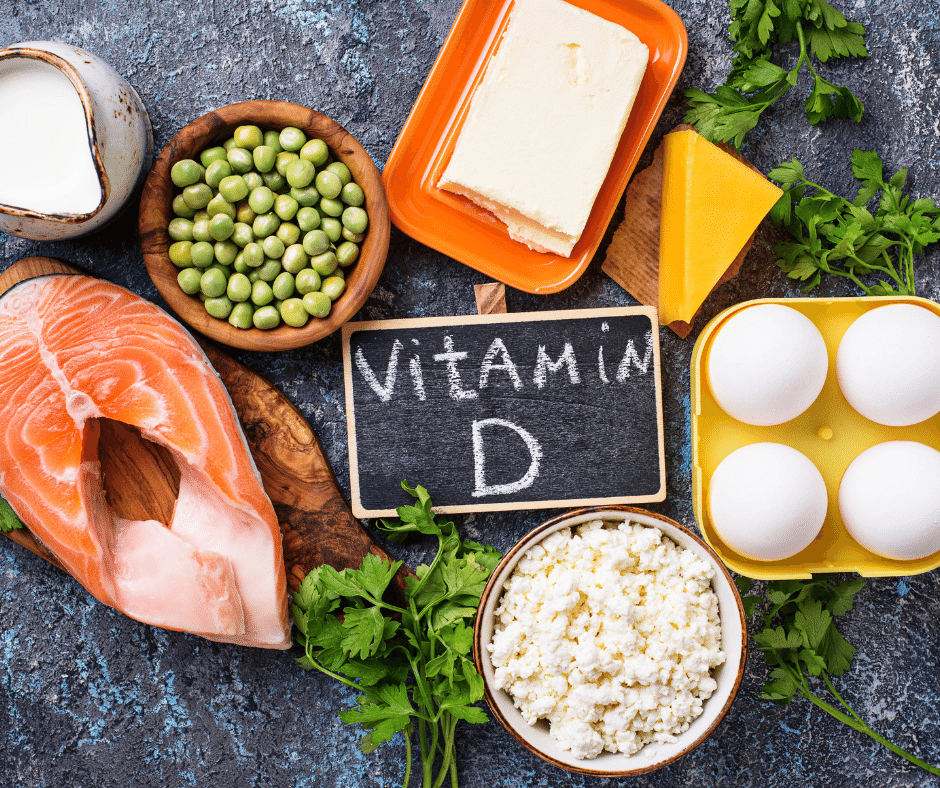
Vitamin D3: This is a great vitamin to take in winter, as light levels drop. Our bodies produce Vitamin D from sunlight on lighter days (though some people can still be deficient).
It is also valuable for our immune systems, so it is worth taking. Taken in liquid form with Vitamin K2 ensures the body has sufficient Vitamin K2 to process D3 properly.
Zinc: This mineral is essential for immune cell function and can be taken as a supplement or found in foods like meat, nuts, and beans.
Omega-3 fish or vegan oil supplements help our cells stay hydrated and, therefore, assist in eliminating toxins and nutrient uptake.
Medicinal Mushroom supplements are very popular for their immune-supporting and other qualities. You shouldn’t eat these fungi raw, since many are known to be poisonous. You can now benefit from different medicinal mushroom powder or capsule forms.

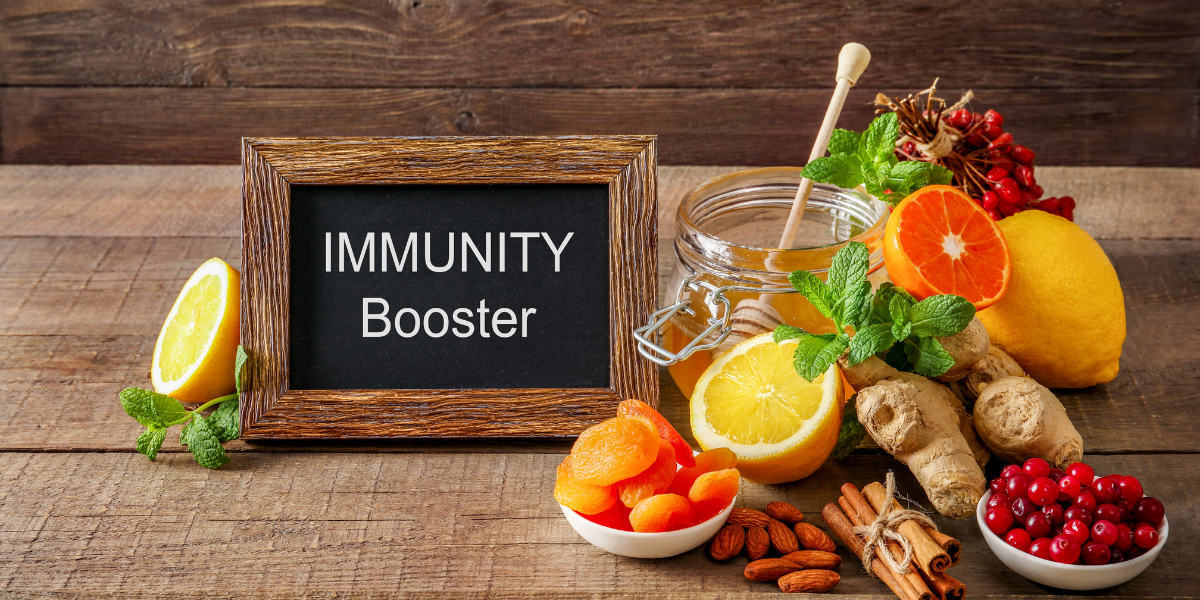
A drink made from lemon juice, ginger, and honey can be soothing if you cough.
The lemon is high in vitamin C, and ginger helps us sweat out the toxins in the body, which is useful if we have a cold or flu. Ginger is also helpful for settling upset stomachs, dizziness, nausea, vomiting and cold sweats.
Honey soothes a sore throat, making it an effective and natural cough suppressant. Ginger is warming and traditionally used to support the body during colds. The natural sweetness of honey also balances the tartness of the lemon and the ginger’s spice, giving honey, lemon and ginger tea its pleasant taste.
Cytoplan Immunovite is a combination immune-supporting supplement
It has been a favourite of mine for a long time. I have found it good to take as a preventative and during illness (they also do a children’s version).
It contains 1-3,1-6 beta-glucan, Vitamin C (ascorbic acid), selenium, and zinc.
In 2020, Cytoplan added improved products –
Cytoplan Immune Complete 1 – All-encompassing multivitamin, mineral and phytonutrient complex incorporating optimal levels of key immune-supporting nutrients and excellent all-round vitamin and mineral levels. This product contains iron and is ideally suited to teenagers and menstruating women. Immune Complete 1 includes a powerful combination of nutrients, including vitamins A, C and D, selenium, zinc, beta-glucan, quercetin, resveratrol and N-Acetyl-Cysteine. (Cytoplan Immune Complete 2 is the same as one, but without the iron.)
I can order this for you if required.
Herbs

These tinctures have been used since ancient times to support the immune system
Olive Leaf extract: Olive leaf extract is believed to have antiviral properties and is popular as something to take before or after catching a cold.
Echinacea Purpurea: This herb is believed to stimulate the immune system and is traditionally used for support during the cold season. Studies have had mixed results. . It is readily available from health food stores. (It is also possible to take it as a homeopathic remedy instead of taking it in tincture form).
Cat’s Claw (Uncaria Tomentosa): Cat’s Claw is a vine traditionally used in Peruvian medicine, and some believe it has antiviral properties.
Cat’s Claw is often combined with other ‘immune’ herbs with similar healing properties, such as Echinacea. It is made from the vine’s bark, which must be at least eight years old.
Maintain a Healthy Gut
A significant portion of your immune system resides in your gut. As mentioned, consuming probiotics and eating fibre-rich foods can help maintain a healthy gut microbiome.
If you are under a lot of stress or have a poor diet with little fresh food, consider taking a good-quality probiotic to support your gut microbiome.
Homeopathy
My homeopathic remedy kit must have saved me a fortune over the years. I use that more than anything else for myself and my family for normal day-to-day ailments. It is a completely different way to deal with ailments, in that the aim is to promote health rather than suppress any particular symptom.
There are many homeopathic remedies that people use because they believe they can help support the immune system (there are many more remedies, of course, for the different stages/symptoms of infection).

I mentioned Echinacea above, which you can take in homeopathic form instead of the tincture – some take it once a week during the winter months. There is a remedy for Cat’s Claw too.
“ABC” is a combination remedy that is sometimes also called ‘new beginnings’ and can be taken at the very start of cold symptoms (it is a combination remedy that contains Aconite, Belladonna and Chamomile, hence the name ABC)
Aconite on its own is effective at the start of infection. If flu-like symptoms develop, then Gelsemium is often the indicated remedy.